
History of Trade Fairs in India: From Ancient Markets to Global Exhibitions
1. Ancient Trade Practices (3000 BCE – 1000 CE)
India has been a center of trade since the time of the Indus Valley Civilization, where organized marketplaces existed in cities like Harappa and Mohenjo-daro.
- Traders exchanged goods like cotton, beads, metals, and pottery
- Early trade routes connected India to Mesopotamia and Central Asia
- Seasonal markets and local fairs acted as early forms of trade gatherings
These gatherings laid the foundation for what we now call trade fairs.
2. Medieval Period: Rise of Bazaars and Trade Routes (1000 – 1700 CE)
During the medieval period, India became a global trading powerhouse.
- The Silk Road connected Indian traders with Europe, the Middle East, and Asia
- Under Mughal rule, large bazaars flourished in cities like Delhi, Agra, and Lahore
- Periodic fairs and festivals doubled as commercial hubs for textiles, spices, and handicrafts
These events resembled early trade exhibitions, bringing buyers and sellers together in one place.
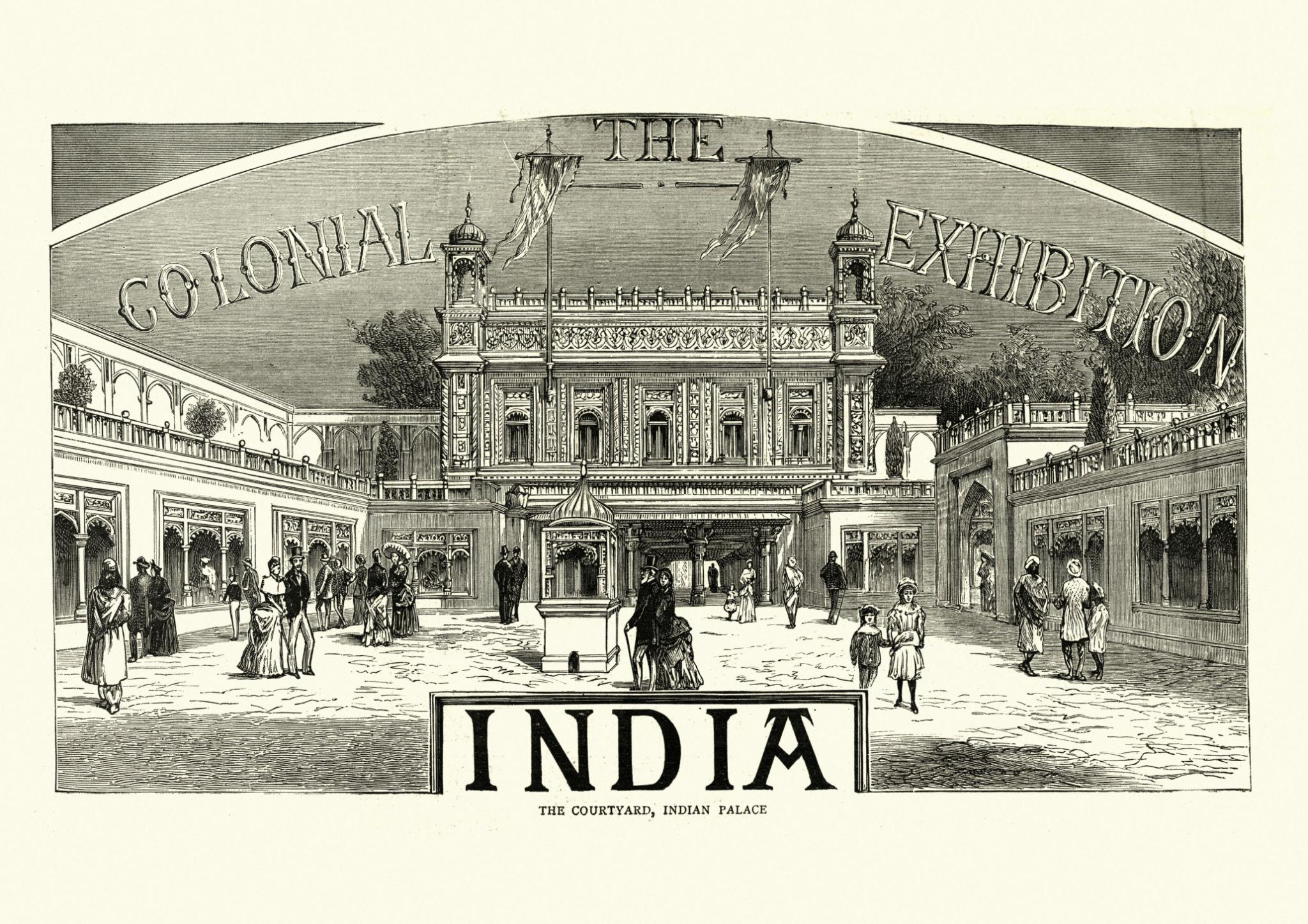
3. Colonial Era: Organized Trade Exhibitions (1700 – 1947)
The British colonial period introduced structured trade exhibitions in India.
- Industrial exhibitions were organized in cities like Calcutta (Kolkata), Bombay (Mumbai), and Madras (Chennai)
- These fairs showcased Indian raw materials, textiles, and handicrafts
- India also participated in global exhibitions like the Great Exhibition of 1851
This era marked the transition from informal markets to organized trade fairs.
4. Post-Independence Growth (1947 – 1990)
After independence, India focused on industrial development and international trade promotion.
- The government established the India Trade Promotion Organisation (ITPO)
- Large-scale exhibitions began to promote Indian industries globally
- The launch of the India International Trade Fair (IITF) became a milestone
Trade fairs became strategic tools for economic growth and export promotion.
5. Liberalization Era & Global Expansion (1991 – 2010)
With economic liberalization in 1991, India opened its markets to the world.
- International companies began participating in Indian trade fairs
- Industry-specific expos like Auto Expo gained global recognition
- Private organizers started hosting specialized B2B exhibitions
Trade fairs evolved into international networking and business platforms.
6. Modern Era: Digital & Global Trade Fairs (2010 – Present)
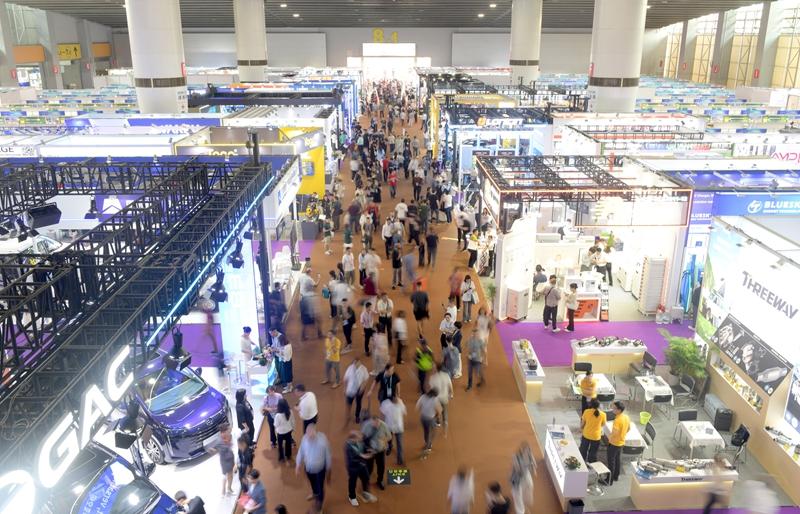
Today, trade fairs in India are highly advanced and globally connected.
- Modern venues like Pragati Maidan host world-class exhibitions
- Hybrid and virtual trade fairs have emerged post-COVID
- Startups, tech companies, and global brands actively participate
India is now a major hub for international exhibitions and business events.
Key Milestones in Indian Trade Fair History
- Ancient marketplaces during the Indus Valley Civilization
- Expansion through Silk Road trade networks
- Organized exhibitions during British rule
- Establishment of ITPO post-independence
- Globalization of trade fairs after 1991
- Rise of digital and hybrid exhibitions
Conclusion
The history of trade fairs in India reflects the country’s long-standing tradition of commerce and innovation. From ancient bazaars to global expos, trade fairs have continuously evolved to meet the needs of businesses and economies.
Today, they serve as powerful platforms for networking, innovation, and global trade—connecting India to the world like never before.

 Continue with Google