
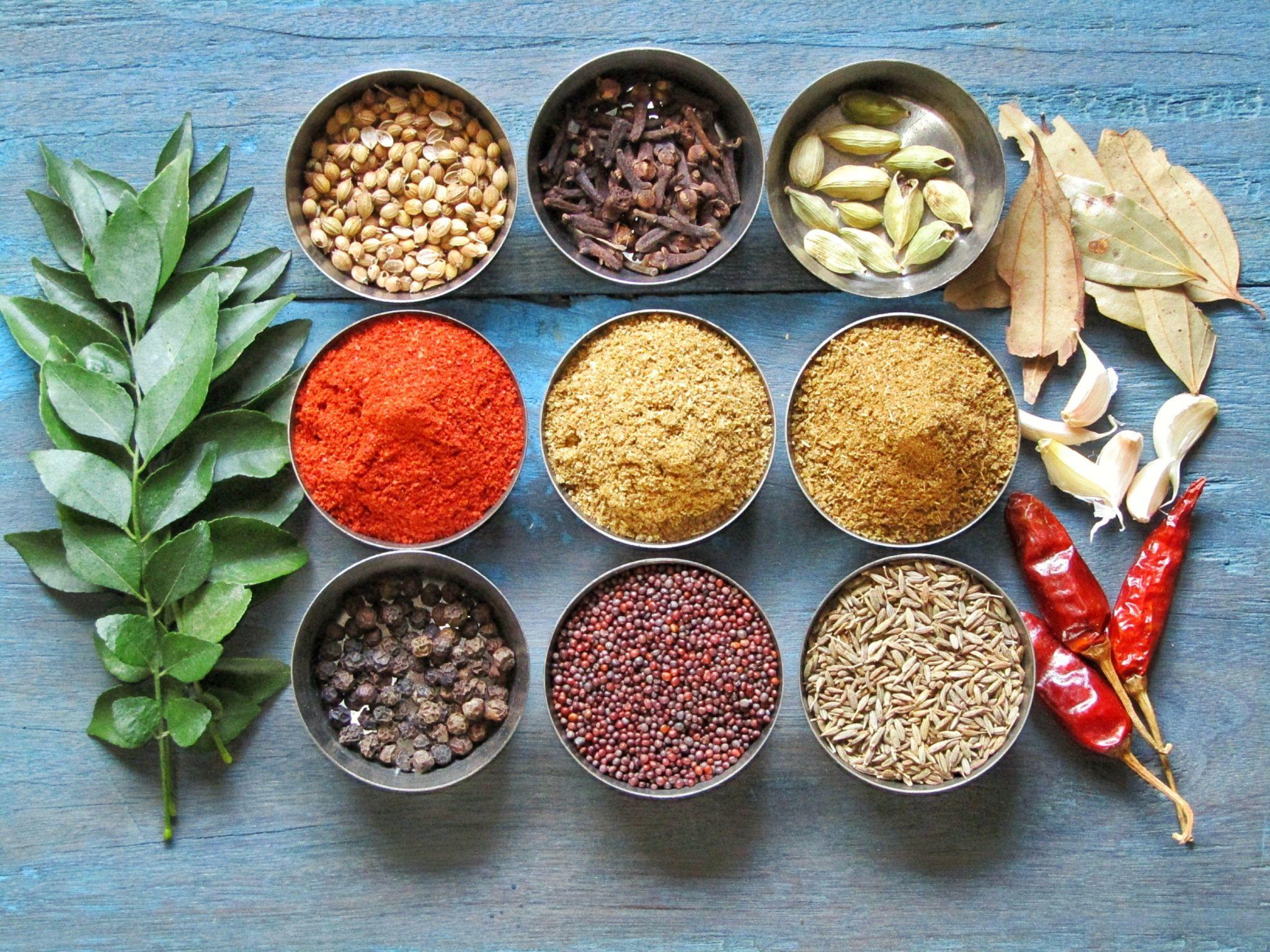
How India Became a Global Leader in Spice Production and Exports
1. Natural Advantage: Climate & Geography
India’s diverse climate plays a major role in its spice dominance.
- Tropical regions support pepper and cardamom cultivation
- Humid zones are ideal for turmeric and ginger
- Dry climates favor chili production
This natural advantage allows India to grow over 75% of the world’s spice varieties.
2. Ancient Trade Roots
India’s spice trade dates back thousands of years.
- Early trade existed during the Indus Valley Civilization
- Indian spices were exported to ancient civilizations
- Trade routes like the Silk Road helped expand global reach
Spices were once considered luxury items and played a major role in global trade.
3. Colonial Expansion of Spice Trade
European traders expanded India’s spice exports:
- Portuguese, Dutch, and British traders built trade networks
- Indian spices became essential in European markets
- Spice trade influenced global exploration and colonization
This period strengthened India’s global spice presence.
4. Government Support & Regulation
Post-independence, India strengthened its spice industry through policy and regulation.
- Establishment of the Spices Board India
- Quality certification and export promotion
- Support for farmers and exporters
These initiatives improved global trust in Indian spices.
5. Modern Farming & Technology
Technology has significantly boosted production:
- Improved seed varieties
- Organic farming practices
- Advanced processing and packaging
- Strict quality testing
This ensures consistency and competitiveness in global markets.
6. Strong Export Market
India exports spices to more than 180 countries.
Top Importers:
- United States
- United Arab Emirates
- China
- European countries
India’s logistics and port infrastructure support large-scale exports efficiently.
7. Global Demand Driven by Cuisine
Indian cuisine has boosted global demand:
- Popularity of curries and masalas
- Growth of Indian restaurants worldwide
- Increasing demand for authentic flavors
Spices are now a key part of global culinary culture.
Key Reasons India Leads in Spice Production
- Favorable climate and biodiversity
- Strong historical trade foundation
- Government support and policies
- Technological advancements
- Growing international demand
Conclusion
India’s leadership in spice production and exports is the result of centuries of trade evolution combined with modern innovation. From ancient trade routes to advanced export systems, India continues to dominate the global spice industry.


 Continue with Google