
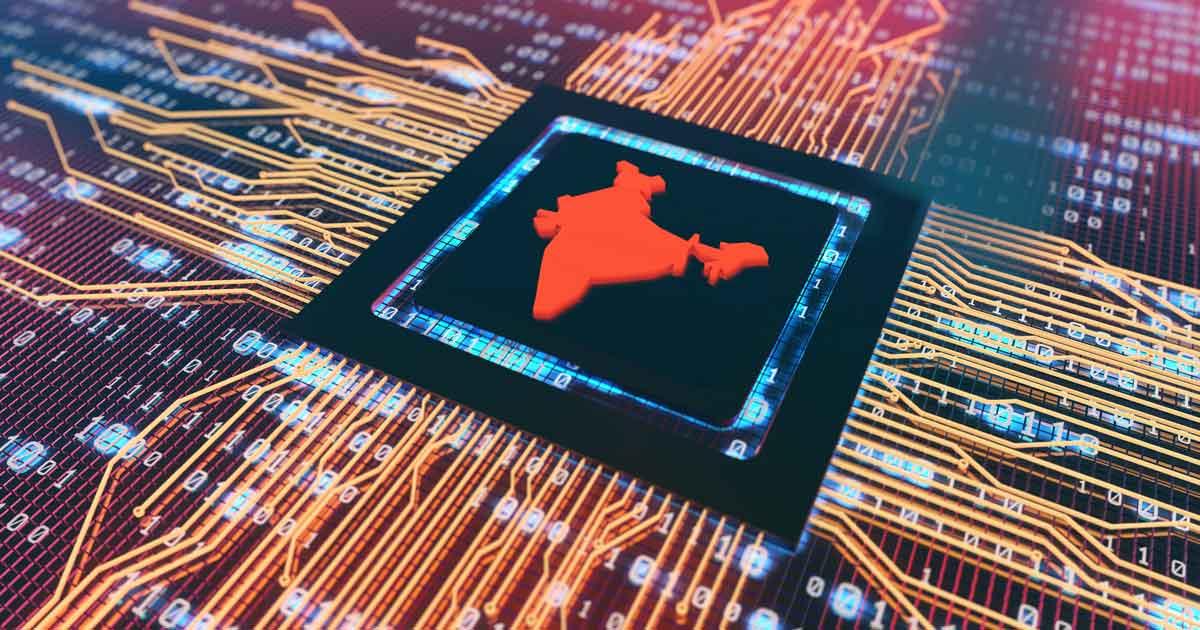
The Story of National Payments Corporation of India (NPCI): Powering India’s Digital Payments Revolution
The Beginning: A Need for Unified Payments
Before 2008, India’s payment systems were fragmented and inefficient. Each bank operated independently, and interbank transactions were often slow and complex.
To solve this, the Reserve Bank of India (RBI) and the Indian Banks' Association (IBA) came together to create a unified platform.
Thus, NPCI was established in 2008 with a clear mission:
👉 Simplify payments
👉 Standardize systems
👉 Make transactions accessible to every Indian
Early Innovations: Building the Foundation
NPCI began by launching foundational systems that connected banks across the country:
- National Financial Switch (NFS) – Enabled seamless ATM transactions nationwide
- Immediate Payment Service (IMPS) – Introduced instant money transfers 24/7
These innovations laid the groundwork for a connected digital payment ecosystem.
The Game Changer: UPI
In 2016, NPCI launched its most revolutionary product:
👉 Unified Payments Interface (UPI)
UPI changed everything.
- Send money instantly using a mobile phone
- No need for bank account details—just a UPI ID
- Works 24/7, even on holidays
- Supports QR-based payments
Apps like Google Pay, PhonePe, and Paytm made UPI accessible to millions.
Today, UPI processes billions of transactions every month, making India a global benchmark in digital payments.
Expanding the Ecosystem
NPCI didn’t stop with UPI. It continued to innovate:
- RuPay – India’s own card payment network
- Bharat BillPay – One-stop solution for utility payments
- Aadhaar Enabled Payment System – Banking services using Aadhaar authentication
These systems brought financial services to rural and underserved populations, supporting the vision of financial inclusion.
Impact on India
NPCI’s impact has been transformative:
1. Financial Inclusion
Millions of people, including those in rural areas, gained access to digital banking.
2. Cashless Economy
India moved closer to a less-cash economy with widespread digital adoption.
3. Small Business Empowerment
Even small vendors now accept digital payments using QR codes.
4. Global Recognition
India’s UPI model is now being adopted and studied worldwide.
The Future of NPCI
NPCI continues to innovate and expand globally:
- UPI is being introduced in international markets
- Cross-border payments are becoming seamless
- New technologies like AI and blockchain are being explored
The goal is clear:
👉 Make digital payments faster, safer, and globally connected
Conclusion
The story of NPCI is not just about technology—it’s about transformation.
From simplifying ATM transactions to revolutionizing global payments with UPI, NPCI has reshaped India’s financial landscape.
Today, every QR code scan, every instant transfer, and every digital payment tells the same story:


 Continue with Google